
Greetings fellow Equestrians!
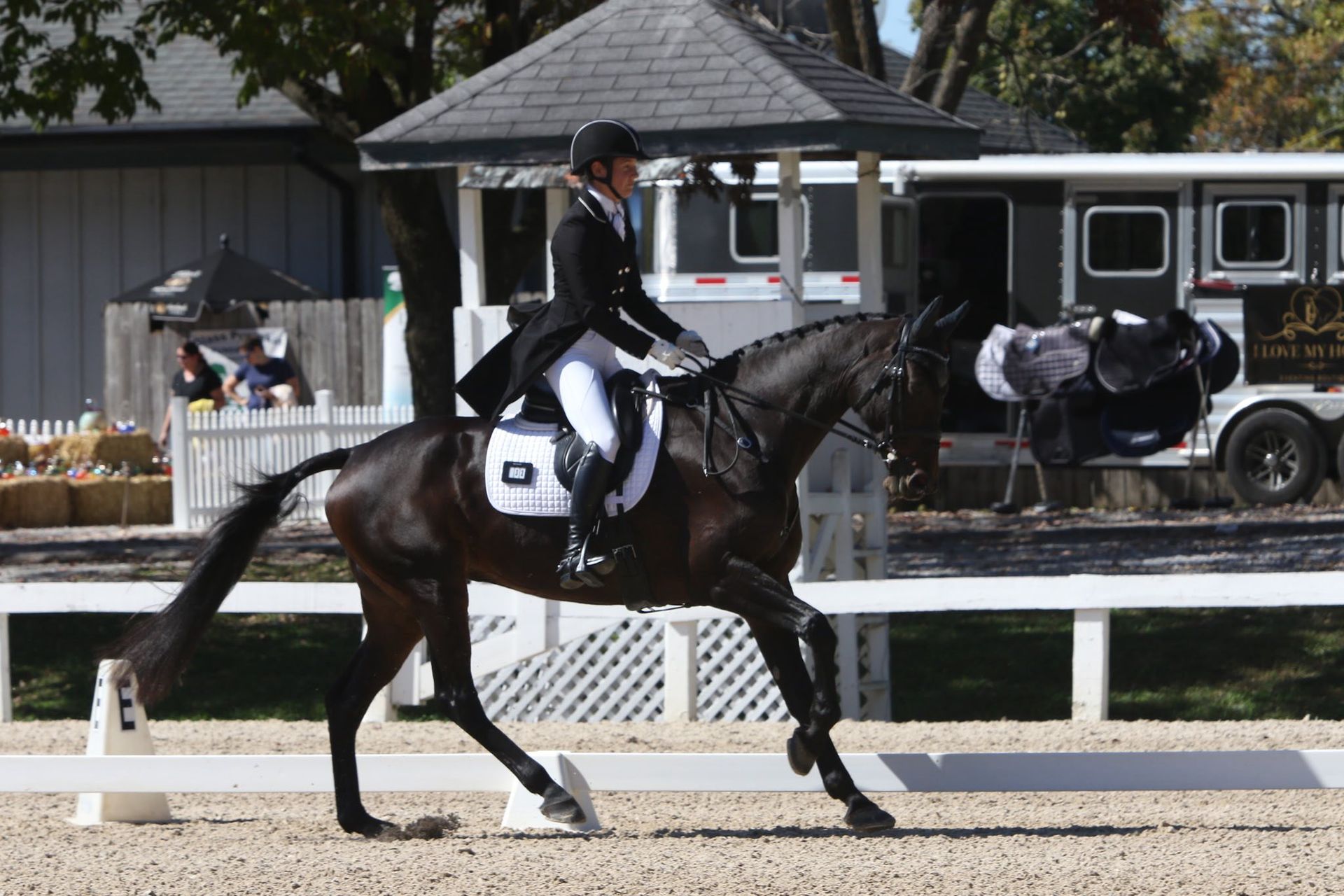
Imagine yourself walking, jogging, or running with a bowling ball in a backpack on your back. It sounds like a bad idea, right? Your body would quickly feel the impact on your skeleton, cartilage pads, and tendons. Now, consider this: Are you unknowingly subjecting your horse to a similar experience when you ride? How much thought have you given to it? We often overlook the strain our horses endure when we mount them for a ride, whether it's in the arena or out on a trail.
Typically, a bowling ball doesn't even weigh 10% of our body weight, while we frequently load up to 20% of a horse's body weight onto its back each time we mount. This weight bears down on the horse's horizontal back, while we carry a much lower percentage of our body’s weight in a backpack on our vertical backs. This discrepancy can significantly impact the health and structural integrity of our beloved four-legged companions. Let's take a moment to delve into this concern and explore the most effective solutions.
A poorly trained or inexperienced rider will often bounce around in the saddle as they move from point A to point B on their horse. By riding with poor equitation, the rider compounds the strain and impact on the horse's back exponentially. To address this issue, we must understand how the physics of the human body can be used to alleviate the stress on the horse's structure as a practical solution. This brings us to our body’s architecture and its natural suspension points.
It’s common knowledge to equestrians that our bodies possess three pivotal points of suspension: the ankles, knees, and hips. These are simple and easy to understand. Now, I will take you four revolutionary steps further! The body actually has four more points of suspension that have not been considered in horsemanship! These magical regions are the soles of our feet, our core, our spinal column, and our neck. I refer to these as the “Flex Regions” of our body and they can actually outperform our pivotals. They function similarly to the amazing sulastic or torsilastic suspension system found on the famous Silver Eagle tour bus, which offers its passengers the most silky, smooth ride in the history of transportation. The Silver Eagle is known as the industry standard in motor coaches. We are born with not only three but seven of these biological miracles! Using them in synchronicity will provide us with a fantastic remedy to counter vertical motion and will give us (and our majestic friends) a future of happy, smooth, and healthy equestrian journeys.
Here are the two categorized groups:
Pivotal Suspension Points in the Human Body
- Ankles
- Knees
- Hips
Torsilastic (Functionally Sulastic) Suspension Points in the Human Body
- Soles
- Core
- Spine
- Neck
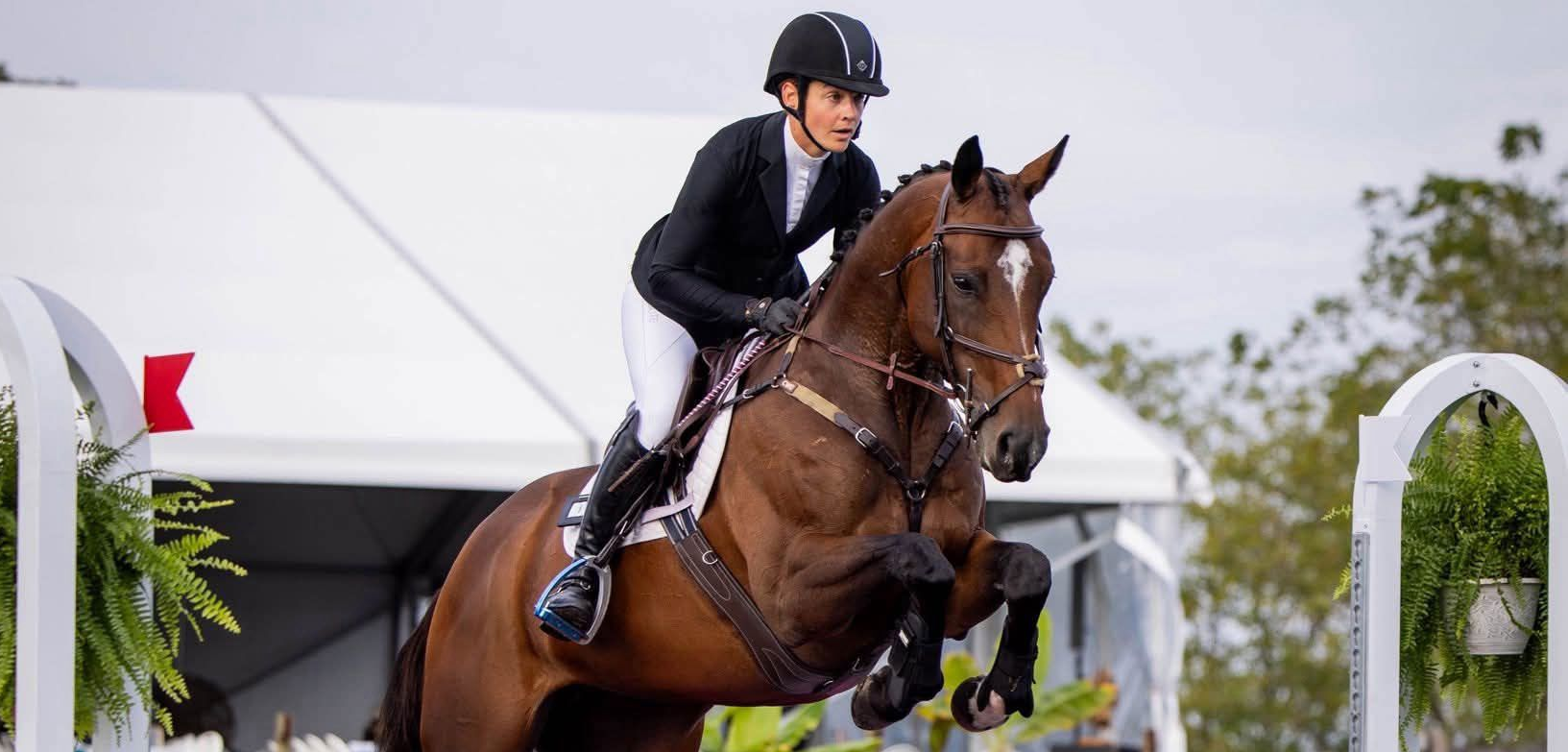
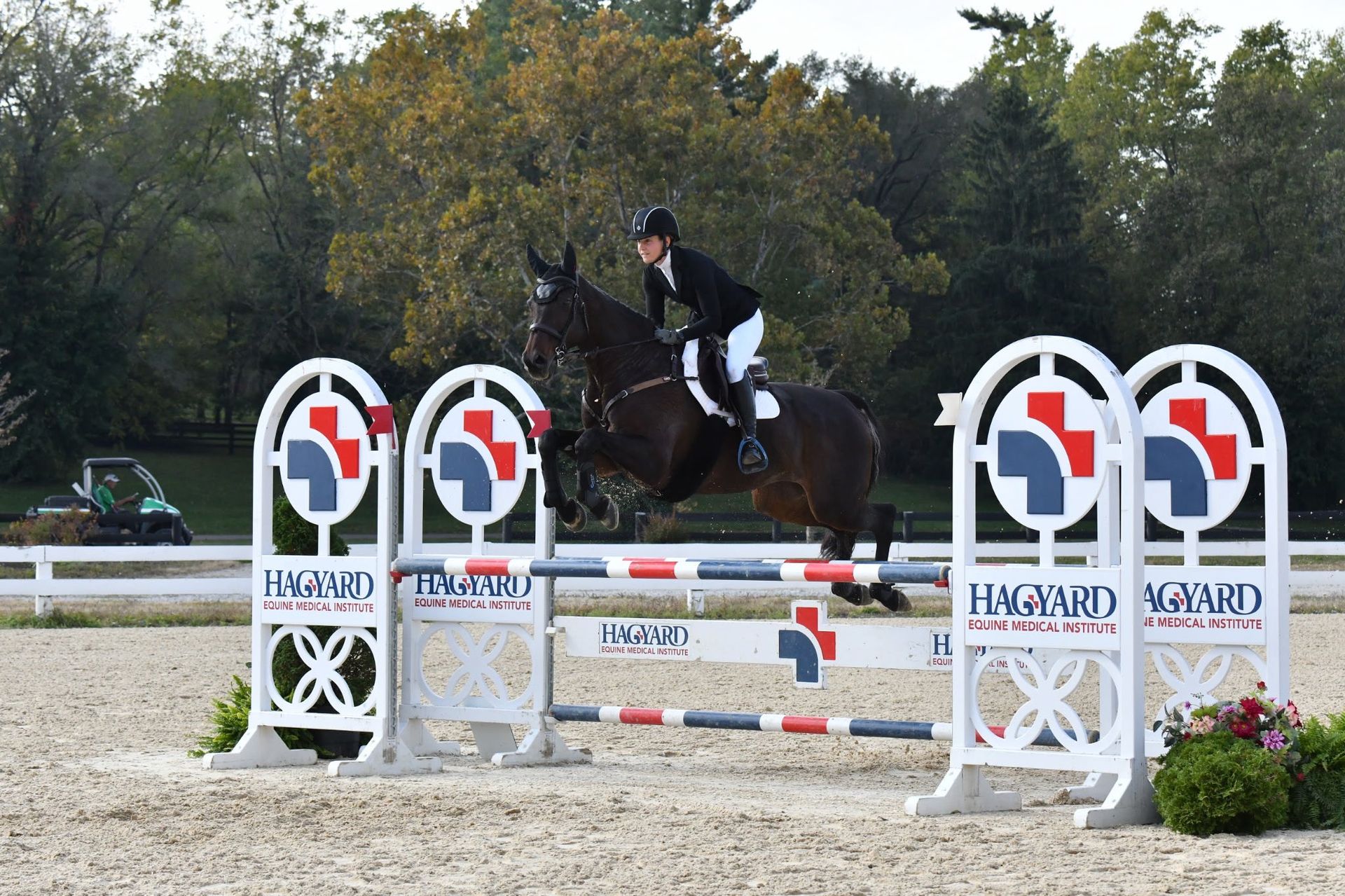
Here's a quick tip on effectively learning to use these seven biological features. Begin at the top of the list with your pivotal suspension points and work your way down the list one by one until you get to the seventh region, which is your neck. After mounting your horse, cue for a walk and rise into a vertical half seat. Use your ankles only and, with an up-and-down motion opposite to the rising and falling of the horse's barrel, try to keep the rest of your body free of vertical motion, so that everything from your ankles up floats forward like a frisbee (with no rise or fall whatsoever). Then, learn to do the same with your knee and hip angles together without the ankle. After you achieve this, combine all three. Next, repeat the whole process as you gradually incorporate this technique into a trot and finally a slow canter.
It’s time to start with your flex regions, which are by far the most difficult of all to master but the most effective. Again, in your half seat, go through the same three gates using only the soles of your feet while keeping your hip, knee, and ankle angles fixed. Very difficult! Now it is time to ditch your stirrups and focus on your core, your spine, and your neck, and work them through all three gates.
Now for the grand finale! Grab a half seat and ride through your gates using all seven points and regions together. Gradually, day by day, bring your synchronization of all seven to perfection.
Good luck! I hope you have a fantastic ride!
We'll provide you with amazing techniques and exercises to achieve these goals and, with your diligence and practice, give your remarkable horse the gift it deserves!